Call Us: +256701170073 | WhatsApp Us: +256773 170073
Premium-grade penetration, modified, and cutback bitumen delivered safely and on schedule for your road construction and infrastructure projects.
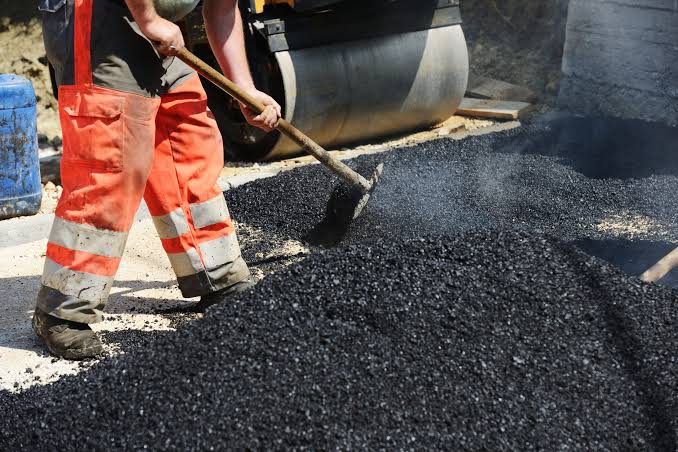
We supply high-purity Penetration Grade Bitumen produced through the vacuum distillation of selected petroleum crude oils. Penetration grade bitumen is the global standard binder used in hot-mix asphalt (HMA) production for road paving, highway construction, and airfield surfacing.
Characterized by its thermoplastic behavior, consistent viscosity, and high adhesive properties, our penetration grade bitumen ensures optimal binder-to-aggregate bonding and long-term structural durability.
We supply three primary penetration grades tailored to different traffic volumes and regional climate conditions:
Bitumen 60/70 (Standard Road Grade)
Hardness: Medium-Hard.
Key Characteristics: The primary choice for road construction across East Africa. Offers an ideal balance between flexibility and rutting resistance under warm temperatures.
Primary Applications: National highways, urban main roads, heavy-traffic corridors, and asphalt concrete wearing courses.
Bitumen 80/100 (Flexible / Medium-Soft Grade)
ardness: Medium-Soft.
Key Characteristics: Higher penetration value provides greater elasticity and crack resistance in moderate or cooler conditions.
Primary Applications: Secondary roads, rural paving, base courses, and asphalt formulations requiring higher flexibility.
Bitumen 40/50 (Heavy-Load / Hard Grade)
Hardness: Hard.
Key Characteristics: High softening point and lower penetration depth prevent pavement deformation under extreme axle weights and high temperatures.
Primary Applications: Heavy industrial pavements, port container yards, airport runways, and high-load intersections.
Superior Aggregation & Adhesion: Ensures strong bonding with various mineral aggregates, reducing stripping and raveling.
Temperature Stability: Formulated to withstand daily thermal expansion/contraction cycles without bleeding or cracking.
Versatile Application: Ideal for dense-graded, open-graded, and gap-graded asphalt mixes.
Our packaging and delivery options are;
Bulk Heated Tankers: Delivered directly to hot-mix asphalt (HMA) plants in insulated road tankers at controlled pumping temperatures.
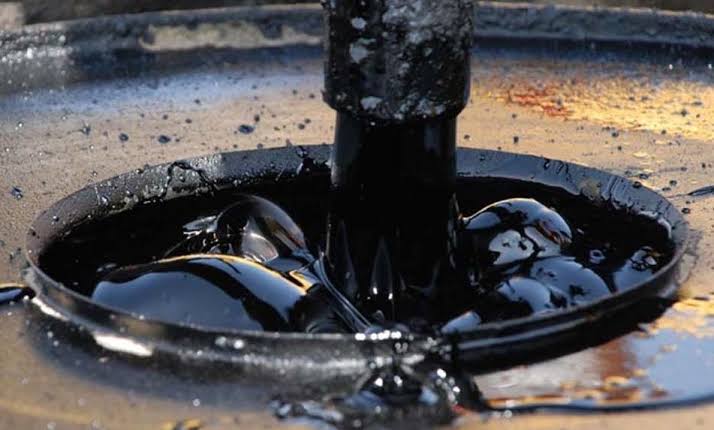
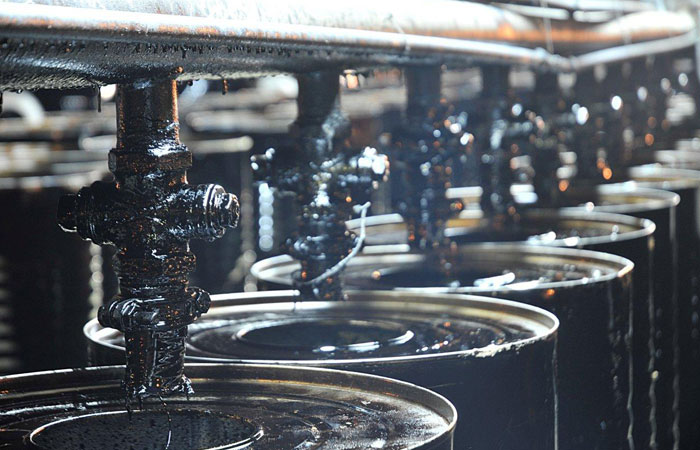
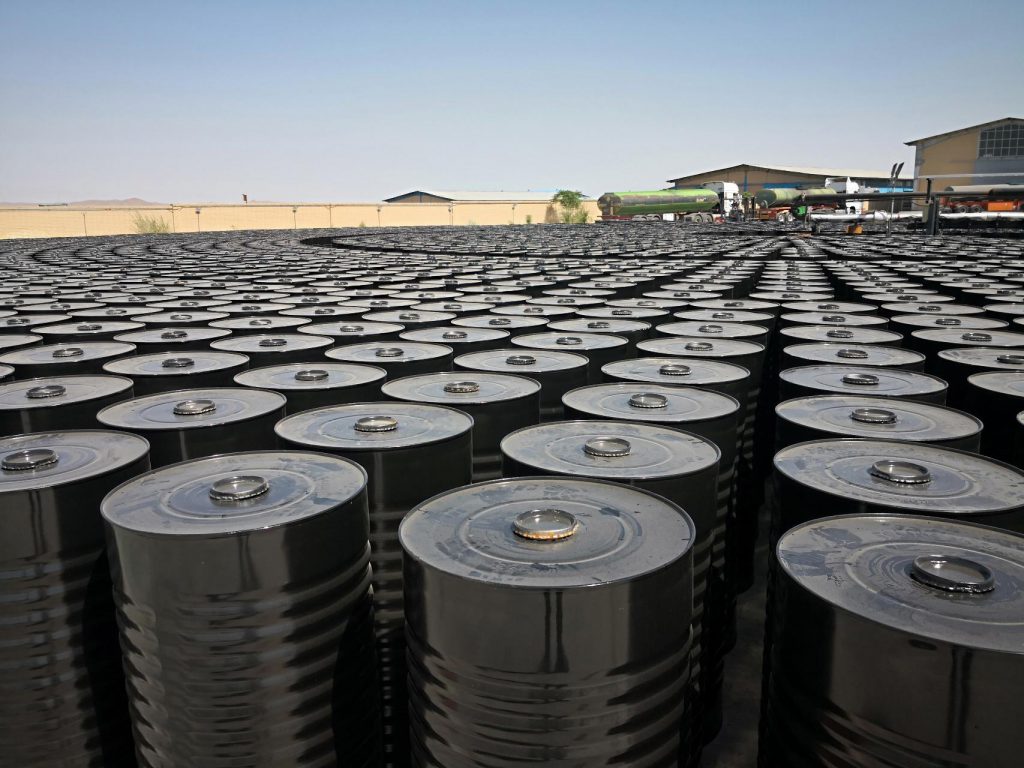
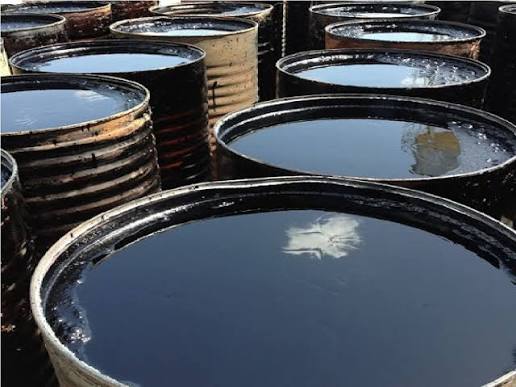
New Steel Drums: Heavy-duty, leak-proof steel drums (~180 kg net weight) ideal for remote construction sites and long-term storage.
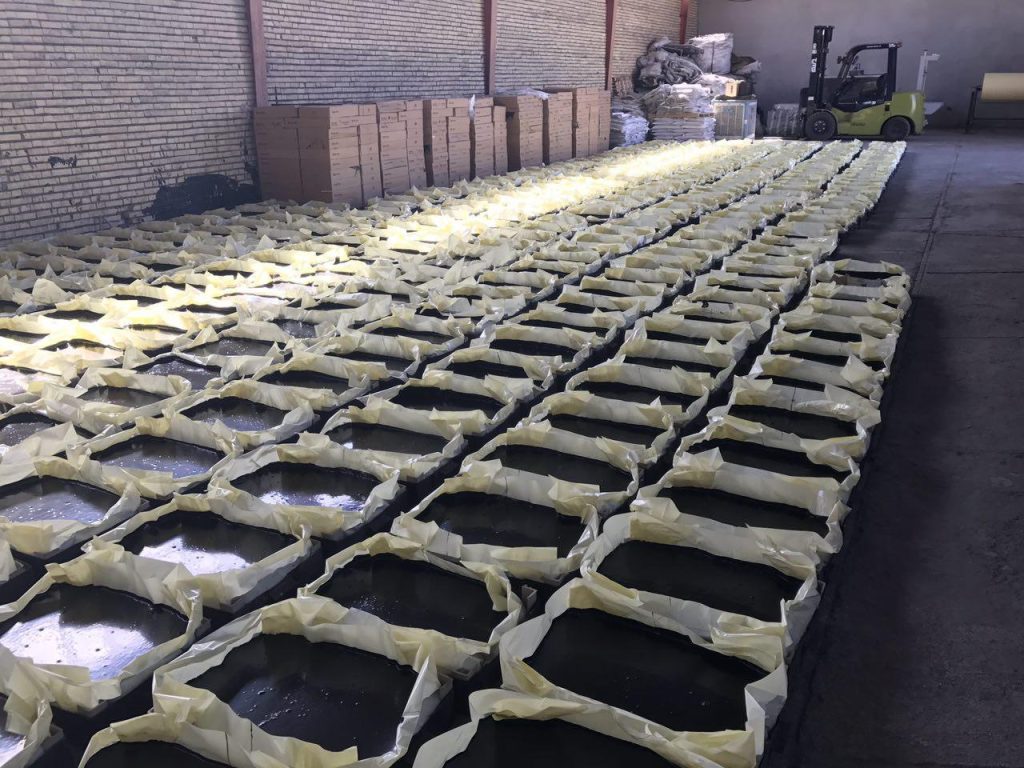
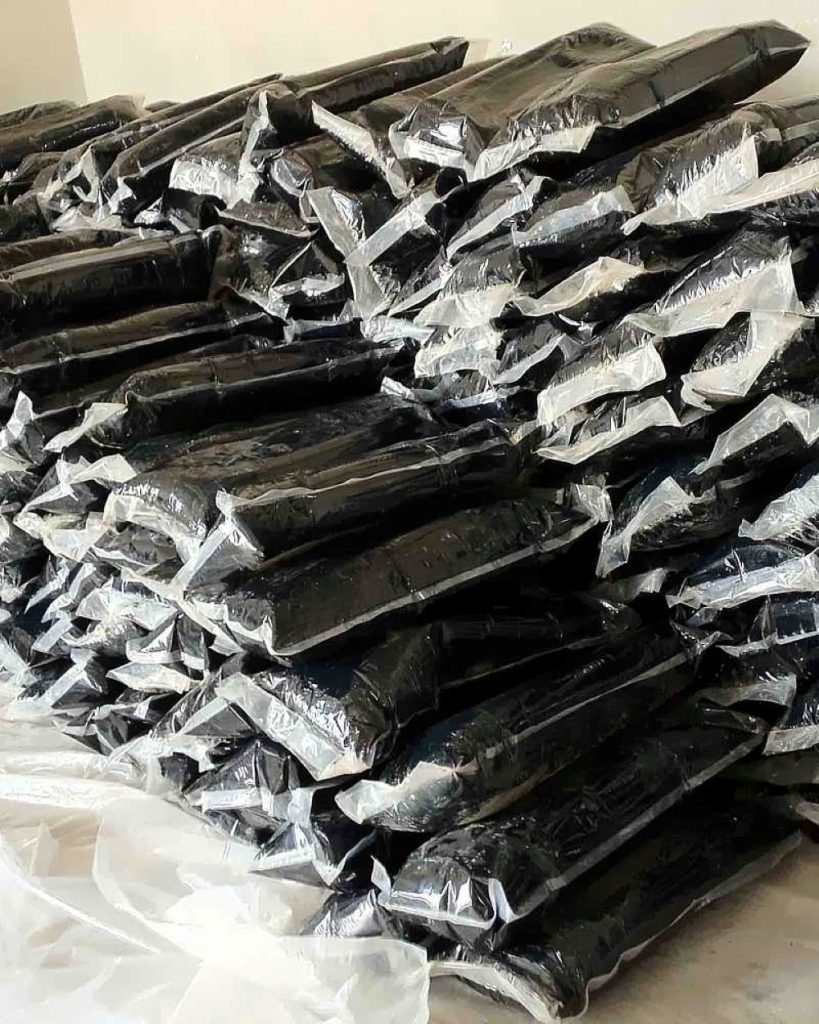
Jumbo Bags / Flexibags: Cost-effective bulk container shipping solutions for large-scale imports and site storage.
We supply premium Oxidized Bitumen (also known as Blown Bitumen), produced by passing controlled air currents through heated penetration-grade bitumen under high temperatures. This oxidation process modifies the molecular structure, converting the material into a highly durable, rubbery, and thermally stable industrial sealant.
Unlike standard paving bitumen, oxidized bitumen features a high softening point, low penetration depth, and superior water-resistance, making it the premier choice for waterproofing, pipe coating, roofing, and industrial manufacturing.
We supply key industrial grades categorized by their Softening Point (°C) and Penetration Depth (0.1 mm):
Oxidized Bitumen 85/25 (Semi-Flexible / Ductile)
Characteristics: Offers good balance between flexibility and heat resistance.
Primary Uses: Roofing felts, membrane manufacturing, sound-dampening sheets, and undercoating.
Oxidized Bitumen 90/15 (Standard Industrial Grade)
Characteristics: High melting point with excellent anti-corrosion and adhesion properties.
Primary Uses: Steel pipe coating (oil, gas, and water main lines), foundation waterproofing, and damp-proof courses (DPC).
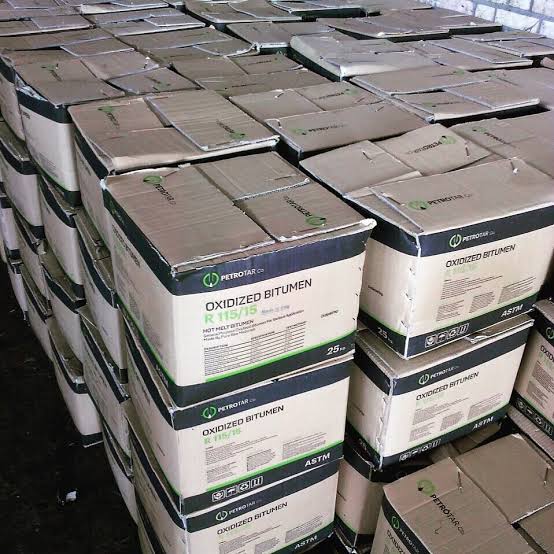
Oxidized Bitumen 115/15 (High-Heat / Hard Grade)
Characteristics: Very high softening point, maintaining solid rigidity under direct sun exposure and elevated working temperatures.
Primary Uses: High-temperature roof coatings, joint sealants, industrial adhesives, and electrical cable joint insulation.
Pipeline Protection & Anti-Corrosion: Forms a heavy, impermeable protective coating on underground oil, gas, and municipal water pipes to prevent rust and soil degradation.
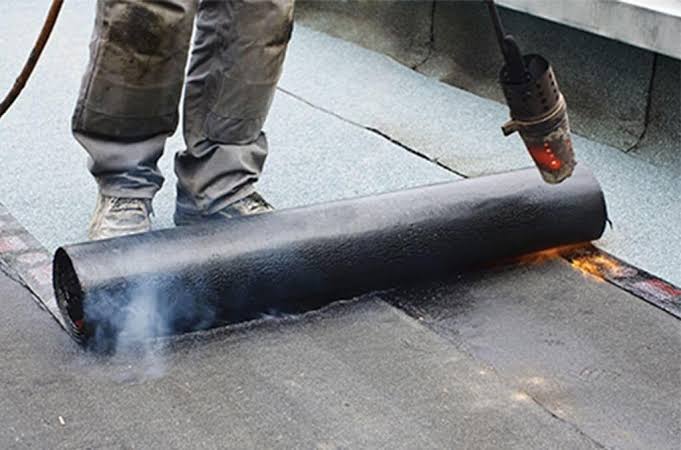
Roofing & Waterproofing Membranes: Used extensively as the binding and sealing layer in built-up roofing (BUR) felts, membrane rolls, and damp-proof courses.
Joint & Crack Sealing: Hot-poured sealant for expanding joints in concrete roads, bridge decks, foundation walls, and airfield aprons.
Industrial Adhesives & Electrical Insulation: Acts as a thermoplastic binder in carpet tile backing, acoustic automobile panels, and electrical cable potting compounds.
Our Packaging & Handling Options are;
Kraft Paper Bags (25 kg): Heavy-duty, silicone-lined paper bags designed for clean peeling and easy job-site handling.
Meltable Polyethylene (PE) Bags (25 kg): Fully meltable bags that can be placed directly into site boilers, eliminating packaging waste.
New Steel Drums (150 kg – 180 kg): Sealed steel drums for long-term storage, bulk export, and secure site transport.
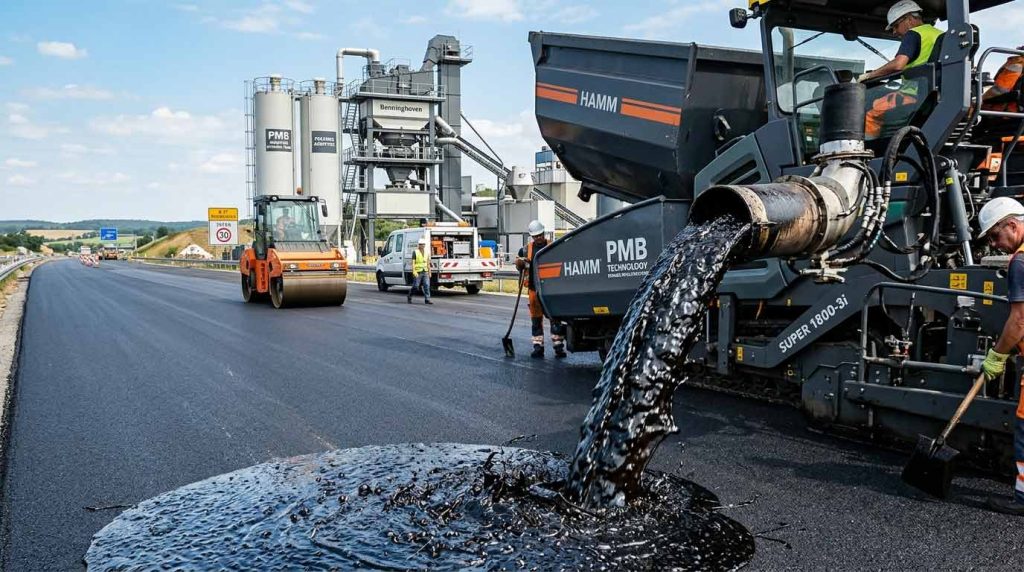
We supply high-performance Polymer Modified Bitumen (PMB) engineered by blending select penetration-grade bitumen with high-grade synthetic polymers—primarily Styrene-Butadiene-Styrene (SBS) elastomeric polymers and Atactic Polypropylene (APP) plastomeric modifiers.
PMB is specifically designed to meet the demands of modern high-traffic corridors, heavy axle loads, and extreme temperature variations. The added polymer network transforms the binder into a tough, elastic material that resists rutting in severe heat and prevents cracking during cold cycles.
We supply primary PMB formulations tailored for different structural stress requirements:
SBS Modified Bitumen (Elastomeric Grade – PG 70-22 / PG 76-22)
Modifier Type: Styrene-Butadiene-Styrene polymer.
Key Characteristics: Outstanding elasticity, high tensile strength, and superior elastic recovery ($>70\%$).
Primary Applications: Expressways, heavy-vehicle lanes, climbing lanes, bus rapid transit (BRT) routes, and airport runways.
APP Modified Bitumen (Plastomeric Grade)
Modifier Type: Atactic Polypropylene polymer.
Key Characteristics: Excellent UV resistance, high heat stability, and plastic deformation resistance.
Primary Applications: Waterproofing membranes, bridge deck paving overlays, and high-temperature surface coats.
rumb Rubber Modified Bitumen (CRMB)
Modifier Type: Processed recycled tire rubber.
Key Characteristics: High binder toughness, improved skid resistance, enhanced aging resistance, and eco-friendly performance.
Primary Applications: Wearing courses, high-friction surface treatments, and stress-absorbing membrane interlayers (SAMI).
High Rutting Resistance: Maintains structural rigidity under high summer temperatures and heavy, slow-moving traffic.
Fatigue & Thermal Crack Protection: Stretches and recoils under cyclic vehicle loads, preventing fatigue cracking and pavement failure.
Enhanced Aggregate Adhesion: Superior binder cohesion reduces stripping, moisture damage, and surface raveling.
Lower Life-Cycle Cost: Extends highway maintenance intervals by 30–50%, yielding lower overall pavement life-cycle costs.
Our Packaging & Logistics include;
Bulk Heated Tankers: Transported in temperature-controlled, insulated tankers with internal agitation capabilities to maintain uniform polymer dispersion.
New Steel Drums: Heavy-duty steel drums (~180 kg to 200 kg net weight) for remote site work or re-heating plants.
Meltable Polyethylene Bags: 25 kg PE bags that can be added directly into hot-mix asphalt plant boilers.
We supply premium Cutback Bitumen formulated by blending high-purity penetration-grade bitumen with controlled petroleum solvents. Cutback bitumen remains fluid at lower temperatures, making it easier to handle and apply without extreme heating on site.
Once sprayed or mixed, the volatile diluent evaporates into the atmosphere, leaving behind a durable, high-adhesion bitumen binder layer.
We supply three distinct cutback categories depending on your required setting speed and application depth:
Medium Curing (MC-30, MC-70, MC-250)
Solvent Type: Kerosene-based diluent.
Key Characteristics: Slower evaporation allows deep penetration into unbound base materials before curing.
Primary Uses: Prime coats over aggregate bases, dust suppression, and stockpiled asphalt patching.
Slow Curing (SC-70, SC-250)
Solvent Type: Low-volatility heavy oil or diesel cutter.
Key Characteristics: Retains fluidity over extended periods, providing long-lasting flexibility.
Primary Uses: Soil stabilization, road oiling, and long-term cold mix asphalt stockpiles.
Key Applications in Road Construction
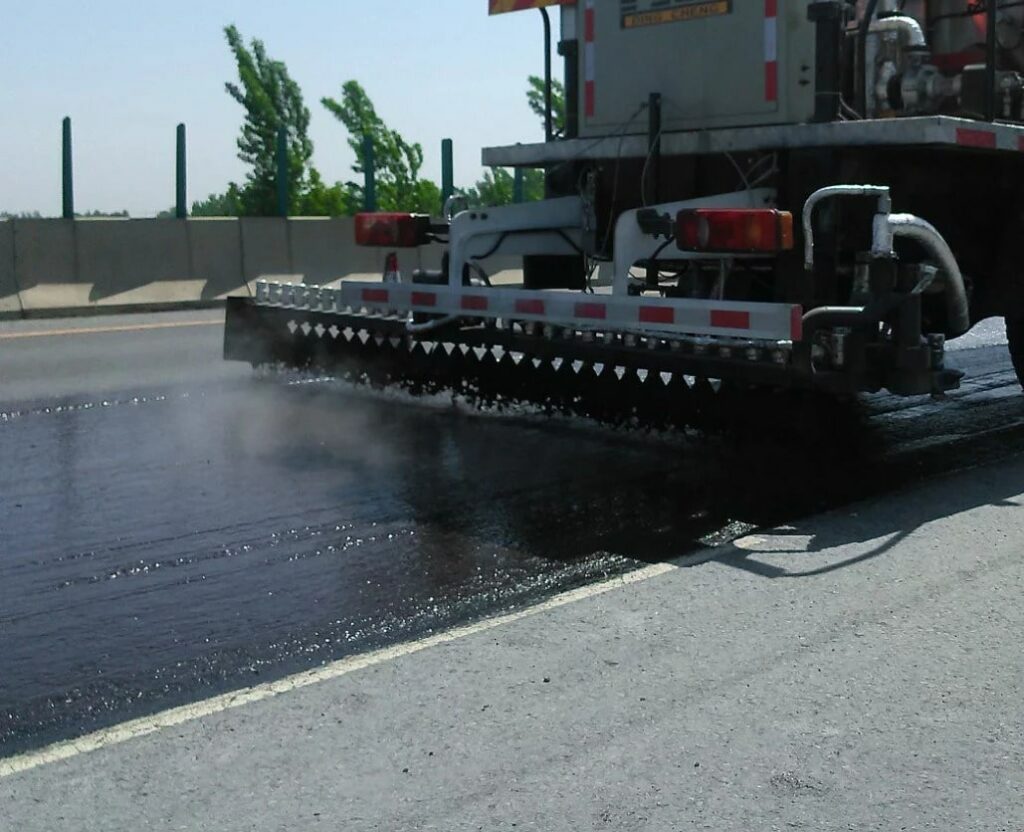
Prime Coating (MC-30 / MC-70): Sprayed directly over crushed stone, gravel, or soil-cement base courses. It penetrates capillary pores, binds loose aggregate, seals against water infiltration, and creates an adhesive bond for subsequent asphalt layers.
Tack Coating (RC-70 / RC-250): Sprayed as a thin coating between existing pavement (concrete or asphalt) and new asphalt overlays to prevent slipping or layer separation.
Chip Sealing & Surface Treatment (RC-250 / MC-250): Applied hot followed immediately by crushed aggregate chips to form an economical, water-resistant wearing surface for rural roads and highway shoulders.
Our packaging & delivery options include;
200-Liter Steel Drums: Brand-new, heavy-duty steel drums (~180 kg net weight) ideal for medium-sized job sites, remote projects, or long-term storage.
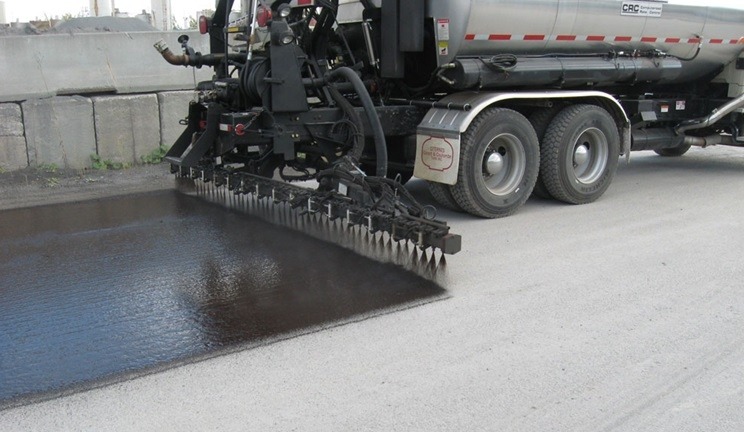
Bulk Bitumen Tankers: Insulated distributor trucks equipped with heating coils and calibrated spray bars for direct site spraying.
Our Bitumen Emulsion products are eco-friendly, cold-applied binders created by dispersing fine bitumen droplets in water using high-shear colloid mills and specialized emulsifying agents.
Unlike traditional hot-mix asphalt or cutback bitumen, bitumen emulsions require no heating or hazardous petroleum solvents, significantly reducing energy consumption, carbon emissions, and site safety risks during road construction and maintenance.
Product Grade Classifications
We supply Cationic (positively charged) Bitumen Emulsions classified by their breaking/setting speed upon contact with road aggregates:
Rapid Setting (CRS-1 & CRS-2)
Break Speed: Fast breaking. Water evaporates rapidly upon contact with aggregate.
Key Characteristics: High binder viscosity and rapid adhesion build-up.
Primary Uses: Surface dressing, chip sealing, spray patching, and tack coats.
Medium Setting (CMS-2 & CMS-2h)
Break Speed: Medium breaking.
Key Characteristics: Allows sufficient mixing time with coarse aggregate without premature breaking.
Primary Uses: Open-graded cold mix asphalt, plant-mix patching, and base stabilization.
Slow Setting (CSS-1 & CSS-1h)
Break Speed: Slow breaking and maximum stability.
Key Characteristics: Exceptional fluid penetration into tight soil pores and fine aggregate mixes.
Primary Uses: Tack coating, prime coating on dense bases, slurry sealing, fog sealing, and soil stabilization.
Polymer-Modified Bitumen Emulsion (PMBE / CQS)
Break Speed: Controlled / Quick Setting.
Key Characteristics: Enhanced elasticity, higher rutting resistance, and superior aggregate retention.
Primary Uses: Micro-surfacing, high-traffic chip seals, and bridge deck waterproofing.
Here are the advantages of using bitumen emulsion over hot bitumen & cutbacks;
Cold Application: No site heating equipment needed; safe for workers and reduces fuel consumption.
Eco-Friendly: Zero organic solvent emissions (VOCs) compared to cutback bitumen.
Damp Surface Capability: Performs exceptionally well on damp or slightly moist aggregate surfaces.
Cost Efficient: Ideal for remote roads, patching, and preventive surface treatments.
Bitumen emulsion is applied in areas such as;
Tack Coat (CSS-1 / CSS-1h): Applied thinly between pavement layers to create a monolithic bond.
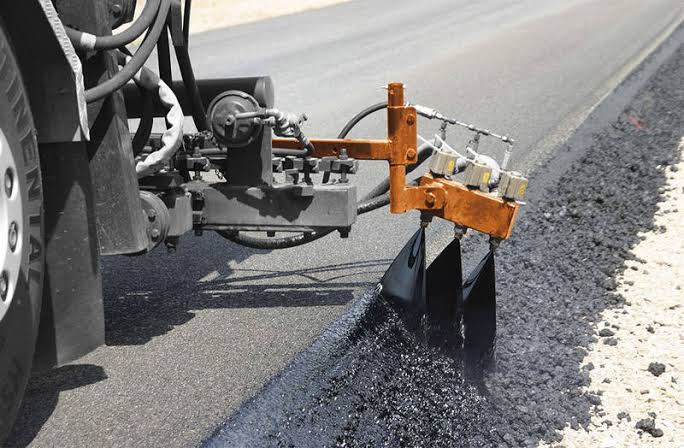
Chip Sealing (CRS-2 / PMBE): Sprayed over road bases followed by crushed aggregates for durable wearing courses.
Slurry Seal & Micro-Surfacing (CSS-1h / CQS-1h): Thin polymer-modified overlays for restoring skid resistance and sealing aged asphalt.
Fog Seal: Light application of CSS-1 emulsion to seal micro-cracks and rejuvenate dry pavement.
Our packaging and logistics include;
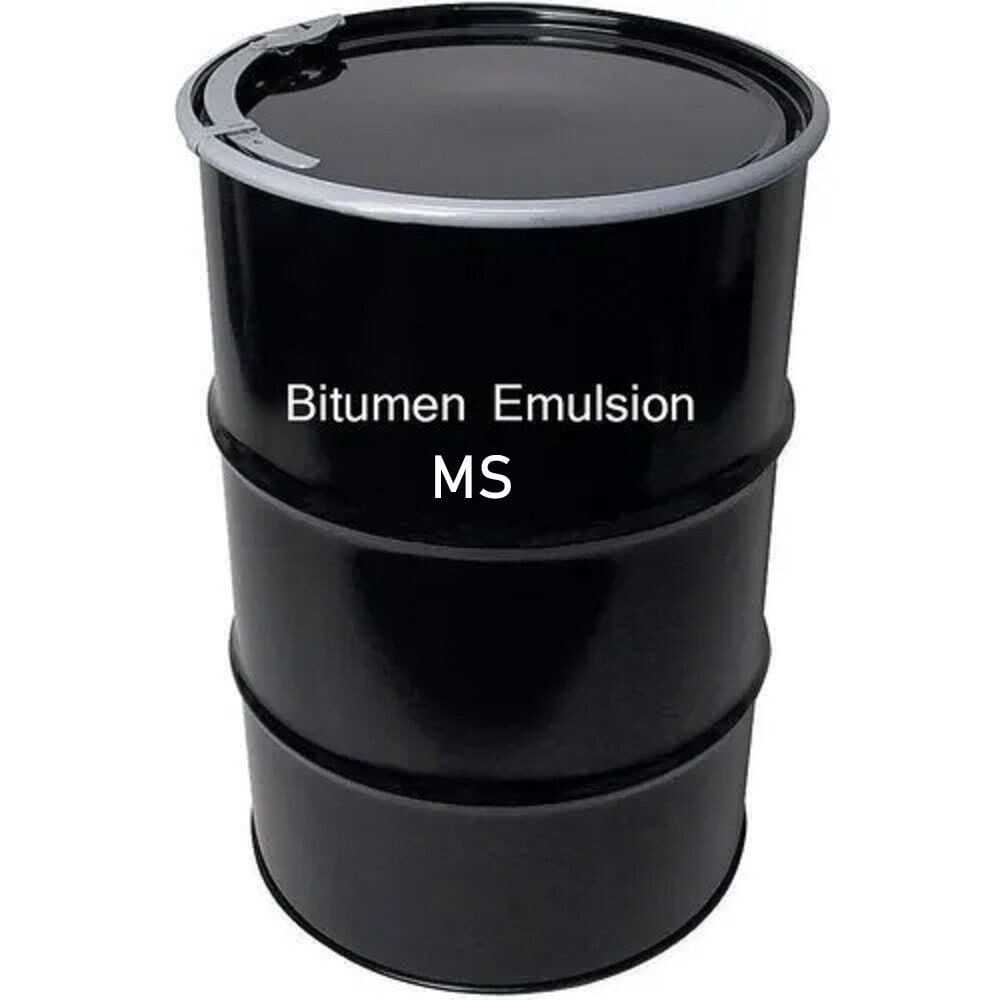
200-Liter Drums: High-density HDPE or coated steel drums (~200 kg net weight) for smaller road maintenance projects.
IBC Tote Tanks: 1,000-liter intermediate bulk containers for quick job-site dispensing.
Bulk Spray Tankers: Temperature-controlled distributor trucks fitted with computerized spray bars.